#

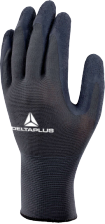
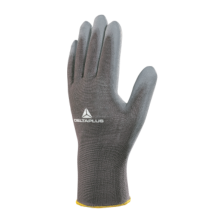
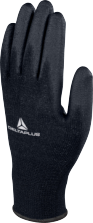
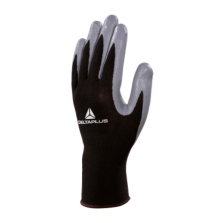
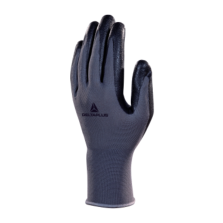
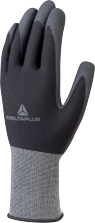
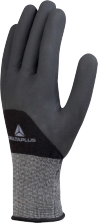
Hassas işler için mekanik dirençli eldivenler

#
Filtres 17 Results
Arama filtresi
header
Ürün kategorisi
Eldivenler
Hassas işler için mekanik dirençli eldivenler
Faaliyet sektörü
İnşaat
Kamu Hizmetleri - Enerji
İmalat sanayi
Petrol ve gaz (çıkarma) - Petrokimyasallar - Madencilik
Taşıma - depolama
İş hizmetleri
Kaplama bitişi
Kaplama malzemesi
Riskler
Diğer standartlar
Aşınma
Cut-iso
Pierce resistance
Tear

Why Wear Gloves for Precision Work?

In many industries, precision work is vital to the success and efficiency of operations. However, this work often involves the manipulation of small parts, delicate materials, or specialized tools, which can present unique risks to the worker's hands. Enter the solution: precision work gloves. But why exactly should you wear them?


Firstly, precision work gloves offer enhanced dexterity. High-dexterity gloves allow the wearer to maintain the natural movement of their fingers, providing a high level of control necessary for precision work tasks such as circuit board assembly, precision assembly, or handling small parts.

Additionally, these gloves offer critical protection. From the risk of cuts from sharp objects to potential chemical exposures or thermal hazards, gloves for precision work are designed to protect against the specific risks associated with your work environment. Features such as abrasion-resistant materials, nitrile or latex coatings, and Kevlar lining can provide this essential protection.

Another reason to wear precision work gloves is improved grip. Gloves designed for precision tasks often feature special coatings on the palms or entire hand area, which can significantly enhance grip, even in oily or wet conditions. This not only aids in precision but also reduces the risk of dropping items, thus preventing potential accidents.

Lastly, wearing gloves can reduce the risk of contamination, especially in industries like healthcare or food processing. Disposable gloves or gloves with an easy-to-clean design can prevent the transfer of contaminants, ensuring the safety and integrity of the work.

In conclusion, wearing gloves for precision work provides essential protection, enhances dexterity, improves grip, and minimizes contamination risks. No matter the industry or task at hand, these gloves play an indispensable role in maintaining safety and increasing efficiency at work.

Is it Compulsory to Wear Gloves?

The question of whether it's compulsory to wear gloves depends largely on the industry, the specific job role, and the local occupational safety regulations. In general, however, when a work task presents a risk of injury to the hands, safety gloves should be worn.

Occupational Safety and Health Administration (OSHA), for instance, requires the use of gloves or hand protection whenever employees' hands are exposed to hazards such as those from skin absorption of harmful substances, severe cuts or lacerations, severe abrasions, punctures, chemical burns, thermal burns, and harmful temperature extremes.

In certain industries, such as healthcare or food processing, wearing gloves is not only recommended but often legally required to prevent the spread of diseases and maintain hygiene standards. In other industries, like construction or mechanical work, gloves can protect against sharp objects, heavy materials, and other physical risks.

It is also worth noting that not just any gloves will suffice for certain jobs. The glove must be appropriately designed and constructed for the particular hazard faced and the work to be done. For example, cut resistant gloves might be necessary for handling sharp objects, while a job involving the use of chemicals would require chemical resistant gloves.

It's essential to consult your company's safety guidelines, industry regulations, and local laws to understand the specific requirements for hand protection in your role. Remember, the right glove can make a significant difference in preventing workplace injuries and maintaining a safe work environment.

What is the Difference Between Gloves for Precision Work and Gloves for Heavy Work?

Understanding the difference between gloves designed for precision work and those intended for heavy work is vital to ensure optimal protection and performance in the workplace.

Gloves for precision work, such as mechanic gloves or assembly gloves, are typically lightweight, flexible, and offer high dexterity. These gloves allow for excellent tactile sensitivity, which is crucial for tasks requiring fine motor skills, such as assembling small parts, precision instrument work, or detailed mechanical work. They often feature materials like nylon, knit fabrics, or thin leather, and may have a palm coating like nitrile or latex for improved grip.

On the other hand, gloves for heavy work are designed for tasks that involve handling heavy materials, power tools, or when working in harsh environmental conditions. These gloves are typically more robust, offer higher levels of protection, and are made from materials that can withstand intense wear and tear. Leather gloves, Kevlar gloves, or gloves with reinforced palms and fingers are common examples. They provide protection against hazards like abrasions, cuts, punctures, and impacts.

In short, precision work gloves prioritize dexterity and tactile sensitivity, while heavy work gloves prioritize durability and robust hand protection. The task at hand will determine the type of glove that will best meet your needs. For some jobs, you may find that you need different gloves for different tasks, highlighting the importance of a comprehensive approach to hand protection.

Example Text

Example Rich Text